

EU Investment in Health Research as a Cornerstone for a More Resilient Irish Society: Opportunities of the Irish Presidency
Ireland’s Presidency of the Council of the European Union (EU) provides a unique opportunity to showcase the country's leadership in health research and innovation. It also offers an important platform to demonstrate how European investment in research delivers tangible benefits for patients, healthcare systems and society.
Horizon Europe, the EU's flagship research and innovation programme running until 2027, has played a key role in strengthening Ireland's Research and Innovation (R&I) ecosystem. To date, Ireland has secured €1.19 billion in Horizon Europe funding, including €105.8 million for large collaborative health research projects. This investment supports 143 projects involving 217 Irish participations, demonstrating Ireland's capacity to lead, influence and shape international health research agendas.
Throughout the Presidency, a range of health-focused events will bring European stakeholders to Ireland. These events offer an opportunity to highlight Irish expertise in areas including climate and health, prevention, cancer research and women's health.
Health and Climate
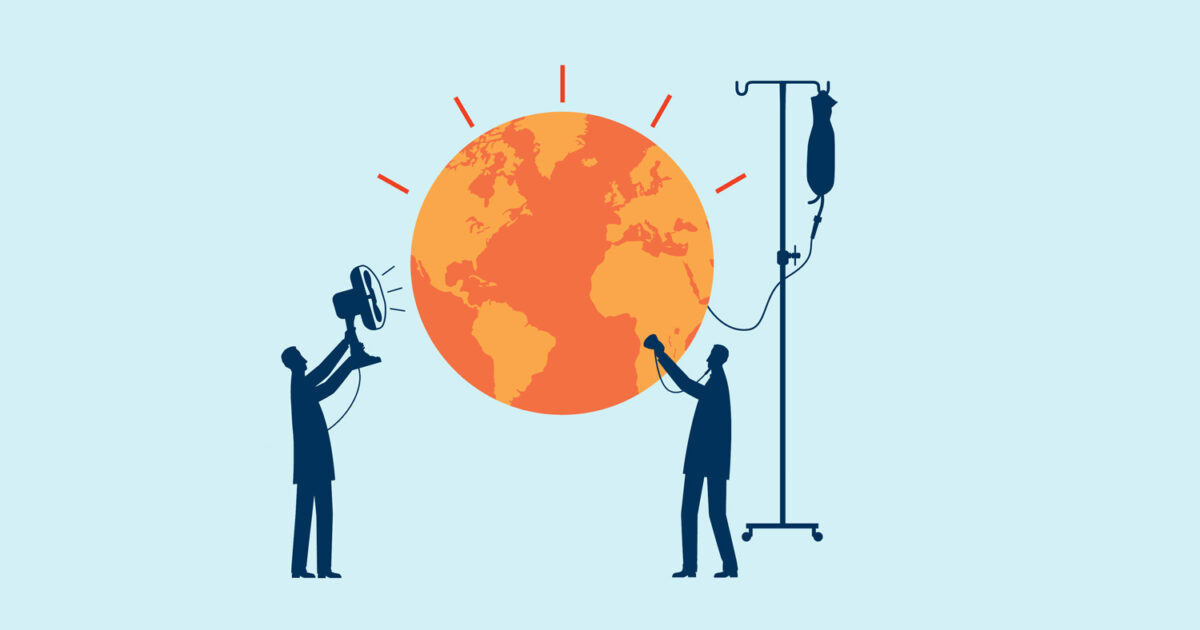
Climate change is increasingly recognised as one of the most significant public health challenges facing Europe. From air pollution and extreme weather events to environmental degradation and emerging infectious diseases, understanding and responding to climate-related health risks requires coordinated action across countries, disciplines and sectors.
In a country with a deep connection to its land, coastlines and natural environment, the relationship between climate change and health is an increasingly important area of research. Addressing these complex challenges requires interdisciplinary and transdisciplinary approaches that bring together expertise from across sectors.
Irish researchers are already demonstrating leadership in this field through Horizon Europe-funded projects. Maynooth University (MU) and University College Cork (UCC) are leading the GoGreenNext project, which promotes healthier urban environments through the implementation of nature-based solutions in pilot sites across Europe, including Cork. University College Dublin (UCD) is a key partner in Trigger and TwinAir. Trigger is exploring the links between climate change, ecosystems and human health, establishing Climate-Health Connection Labs across Europe where citizens, researchers and policymakers can co-create solutions. TwinAir is developing digital twin technologies to improve indoor air quality monitoring, with a strong citizen science component in Dublin. The ENACT project, involving South East Technical University (SETU), is developing a risk assessment tool to analyse how exposure to air, noise, and light pollution contribute to chronic disease such as cardiovascular disease. The project aims to support more informed decision-making by citizens, healthcare professionals and policymakers. Ireland's extensive coastline also creates opportunities for research into the health impacts of marine environments. The University of Galway (UoG) is participating in BlueAdapt, a One Health project investigating how climate change impact pathogens and antimicrobial drug-resistant bacteria in coastal waters.
Together, these projects are generating evidence and solutions to address climate-related health challenges across Europe. The Irish Presidency provides an opportunity to showcase this expertise and strengthen European collaboration in advancing a One Health approach to climate and health in events such as the WHO European Mayors' Summit on Climate and Health taking place in Cork or Bridging Worlds, a health research conference with a strong emphasis on the One Health approach taking place in Dublin.
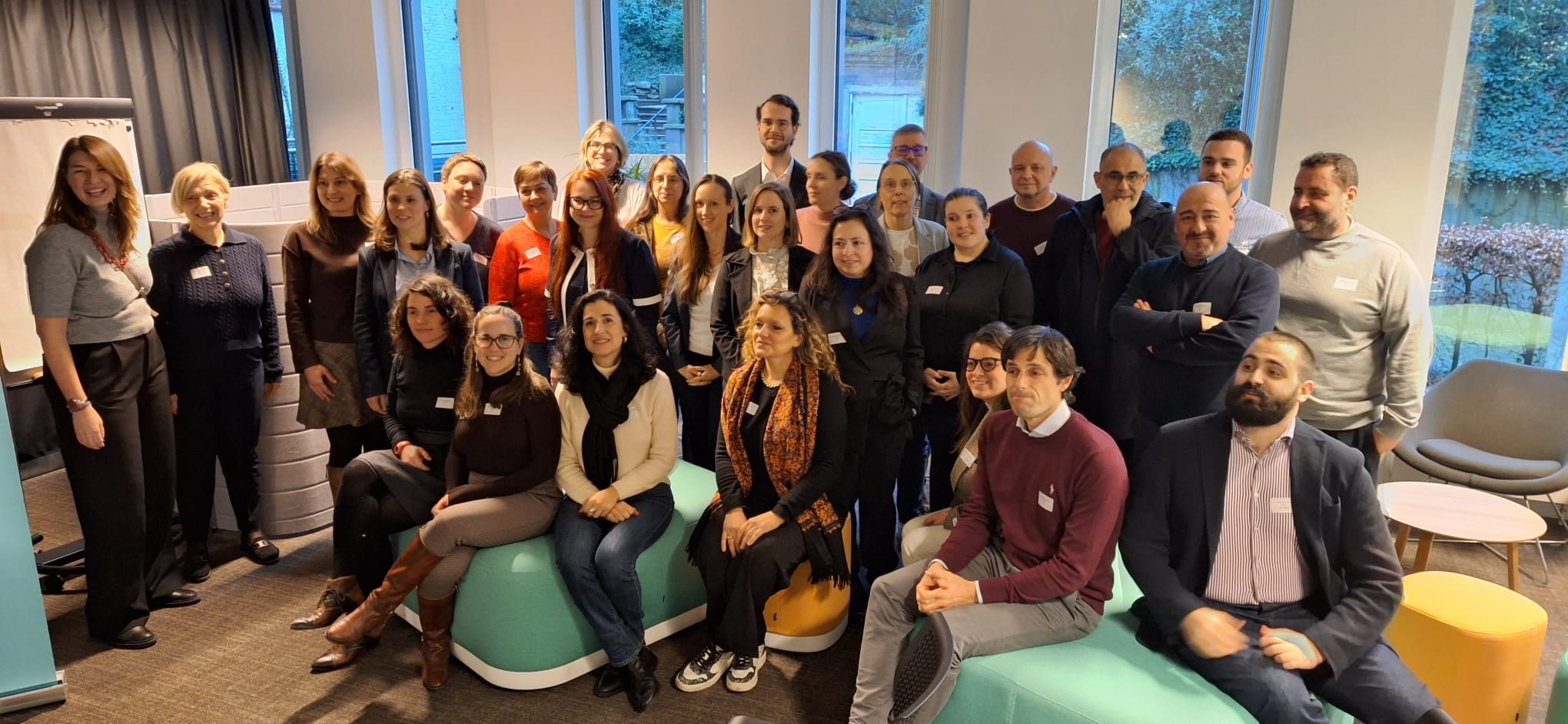
Horizon Europe Health National Contact Points and EU4Health National Focal Points looking at synergies to maximise impact of European investment in health (Jan 2026).
Prevention and Health Equity
Europe faces an ageing population and an increasing burden of chronic disease, creating growing pressure on healthcare systems. To ensure long-term sustainability, European healthcare models should shift from reactive treatments to proactive investments in disease prevention and reducing health inequalities.
Irish institutions are playing important roles in personalised prevention Horizon Europe projects. Technological University Dublin (TUDublin) is a key partner in STRATIF-AI, which uses artificial intelligence and digital twin technologies to improve stroke prevention, treatment and rehabilitation. TCD and Dublin City University (DCU) are participants in CARMEL, which explores personalised prevention strategies for cardiovascular risk in menopausal women. University of Limerick (UL) contributes to SHIELD, focuseed on personalised approaches to preventing cardiovascular disease and diabetes.
Ireland also demonstrates strong leadership in prevention research among children, adolescents and young adults. UCC is participating in ETHEREAL, which investigates the links between genetics, epigenetics and mental health in adolescents with autism, to develop personalised disease prevention approaches; UoG is involved in PUREMIND studying interactions between the environment, genes, the gut microbiome and brain health to support mental health prevention. UL is looking at personalised prevention for visually impaired children in Vippstar.
These projects reflect Ireland's growing contribution to prevention research across the life course, from early childhood to older age. This commitment is also reflected in national policy, and in Ireland hosting the European Society for Prevention Research (EUSPR) Conference during the Irish Presidency.
Women’s Health and Endometriosis

Women's health has emerged as a significant policy and research priority in Europe. This is reflected in the recent EU´s Gender Equality Strategy 2026-2030 which covers healthcare as one of the main policy areas.
Historically, women's health has been underrepresented in both research and clinical studies, leading to significant evidence gaps that continue to affect health outcomes and access to care.
Pictured above: Irish NCP for Health, Irene Castellano Pellicena.
Women's health has emerged as a significant policy and research priority in Europe. This is reflected in the recent EU´s Gender Equality Strategy 2026-2030 which covers healthcare as one of the main policy areas. Historically, women's health has been underrepresented in both research and clinical studies, leading to significant evidence gaps that continue to affect health outcomes and access to care.
While the sex and gender dimension is increasingly incorporated across EU-funded projects, Horizon Europe also supports projects dedicated specifically to women's health. UCC is a key partner in EUmetriosis which aims to transform the understanding, diagnosis and management of endometriosis, a chronic condition in which tissue similar to the lining of the womb grows outside the uterus. The project also places a strong emphasis on patient empowerment and quality of life.
Women's health is also a policy priority in Ireland, reflected in the recent launch of the Third National Women’s Health Action Plan. The Irish Presidency will further support this agenda through the EU Endometriosis Conference, providing a platform to strengthen European collaboration in this important field.
Cancer Research
Cancer remains one of Europe's most significant health challenges. Europe’s Beating Cancer Plan, in tandem with the EU Cancer Mission, aim to improve prevention, diagnosis, treatment and quality of life of cancer patients and survivors. Ireland is making a significant contribution to these efforts. The National Cancer Control Programme (NCCP) and UCD are leading Irish partners in the EU Cancer Mission Hubs project, ECHoS 2, which supports collaboration with other EU countries to address shared challenges.
Ireland's cancer research community contributes across the entire research continuum, from discovery science to clinical trials and implementation research. University College Cork is leading TRANSCEND-XR, a Cancer Mission project on implementation science that co-creates solutions using extended reality technologies to improve quality of life and address the long-term effects of testicular cancer among adolescent and young adult survivors. UCD is coordinating CLASSICA, which aims to bring artificial intelligence into operating theatres to enable real-time cancer classification during surgery. Finally, Children’s Health Ireland is involved in the PHOENIX project, a Phase I/II multinational clinical trial evaluating more effective and less toxic treatments for childhood cancers.
During the Presidency, the NCCP and UCD will launch Ireland's National Cancer Mission Hub, building on the visit of the EU Cancer Mission Board to Dublin in December. As one of the first hubs launched in Europe, it demonstrates Ireland's leadership in cancer research and provides an opportunity to further strengthen European collaboration.
Other Health Priorities During the Irish Presidency
Alongside the themes outlined above, the Irish Presidency will spotlight additional strategic priorities that are shaping the future of healthcare and health research across Europe, including life sciences, palliative care, rare diseases, mental health, including Alzheimer's disease, clinical trials and medicines, health research ethics and health data and the implementation of the European Health Data Space.
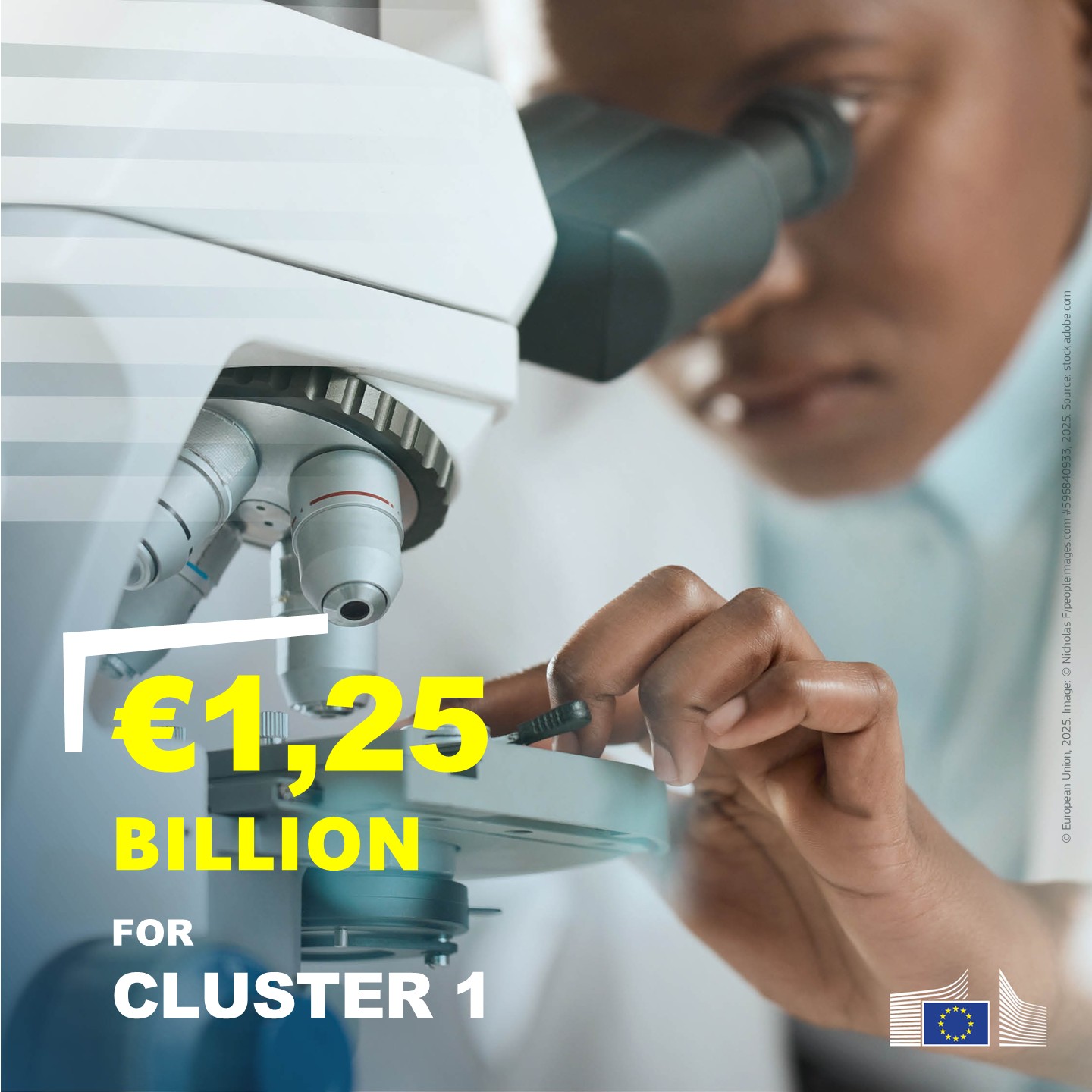
Future HE opportunities
The Horizon Europe Health Cluster for 2026 and 2027 presents significant opportunities for Irish researchers, healthcare providers, innovators and patient organisations to strengthen their engagement in European collaborative research. Upcoming opportunities can be found here.
Prospective applicants should note that the deadline for the 2027 Health Cluster calls is expected to be brought forward to February 2027, making early preparation particularly important. Engaging now will allow organisations to build strong consortia, refine project ideas and maximise their chances of success in these highly competitive funding calls.
The Future of Health Research & Innovation in Europe
As discussions intensify on the future of European research and innovation beyond Horizon Europe, it is essential to recognise the value of large-scale collaborative health research. These projects enable researchers, healthcare professionals, patients and policymakers across Europe to work together to address challenges that no country can solve alone.
Current discussions on the future Framework Programme consider greater integration across research themes and stronger links with emerging European competitiveness initiatives such as the European Competitiveness Fund (ECF). While increased coordination may offer advantages, it will be important to ensure that health research remains adequately supported and visible within future funding structures.
Europe faces an ageing population, a growing burden of chronic disease, climate-related health threats and increasing geopolitical uncertainty. Therefore, sustained investment in health research and innovation is not a luxury but a necessity. Ireland's success in Horizon Europe demonstrates the tangible benefits that European investment delivers for patients, healthcare systems and societies.
The Irish Presidency provides a valuable platform to showcase these achievements, strengthen European collaboration and champion investment in high-quality, innovative health research that improves the wellbeing and resilience of citizens across Ireland and Europe.