
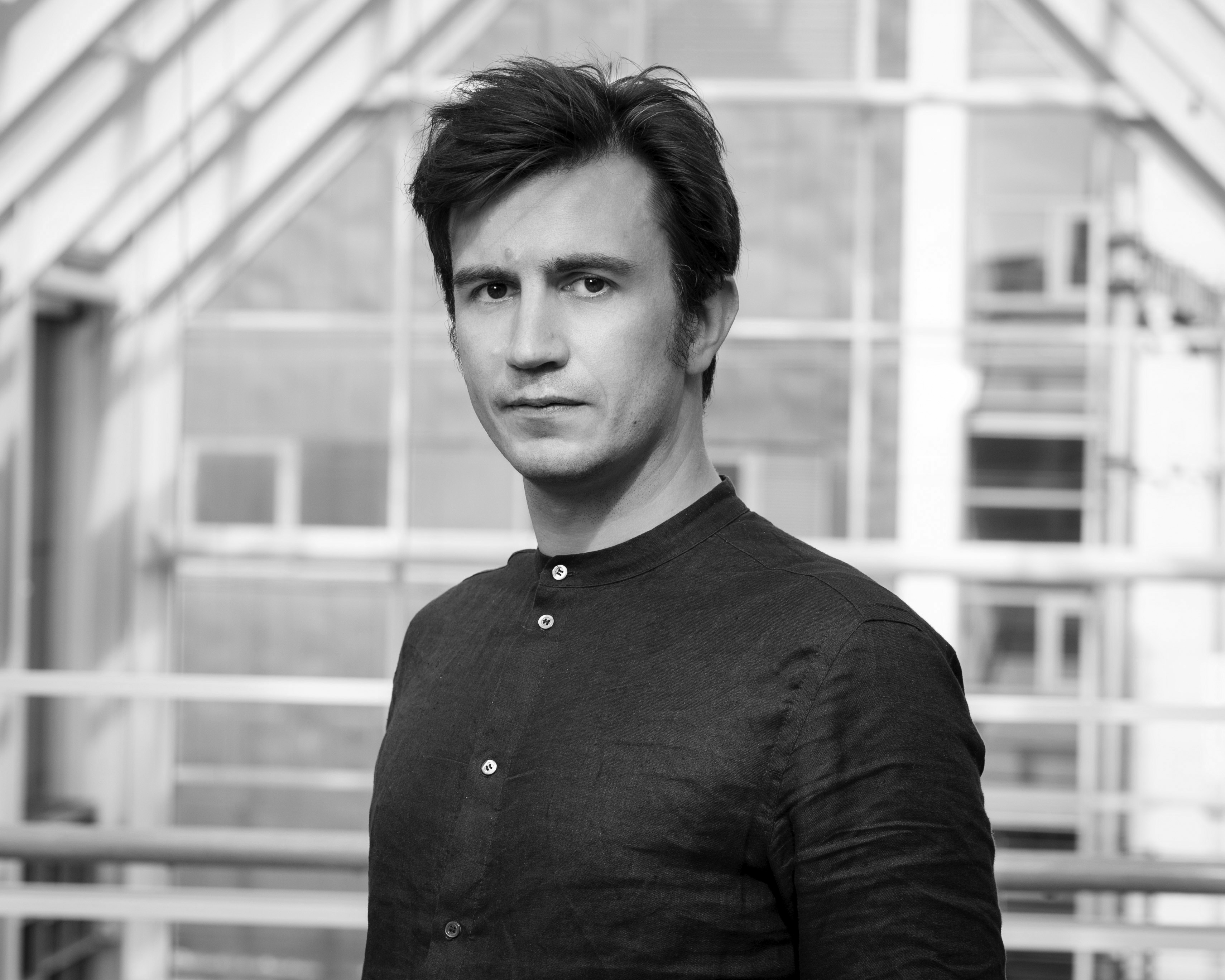
National Contact Point (NCP) for Horizon Europe ERC Social Scientific & Humanities (SSH) and Cluster 2 - Creativity and Inclusive Society
Irish Universities Association
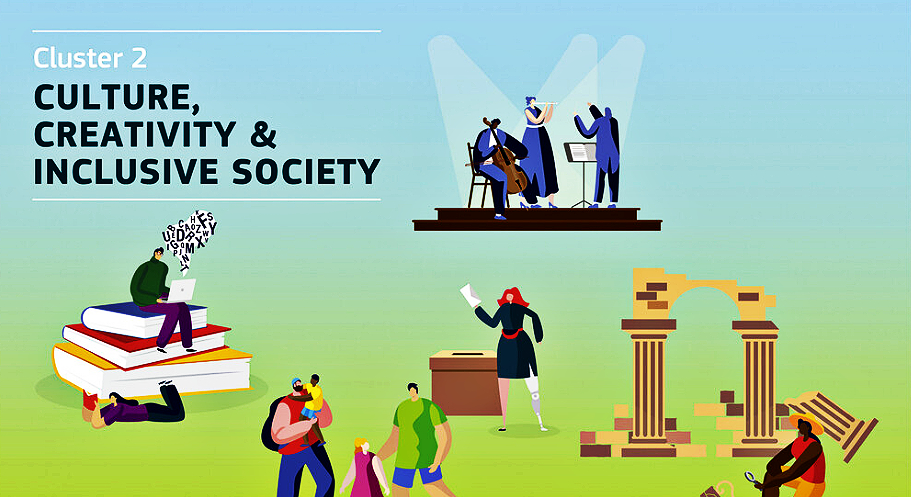
Culture, Creativity and Inclusive Society is the second cluster under the Global Challenges pillar of Horizon Europe.
It addresses various societal concerns such as faith in and protection of democratic values, the rule of law and fundamental human rights, safeguarding of cultural heritage and promotion of European creative industries, and promoting socio-economic transformations that contribute to inclusion and growth, whilst protecting European citizens from negative effects of global changes.
In 2023, Irish public and private institutions were awarded funding of €6.5 million to participate in international, interdisciplinary and multi-actor projects that will address these issues, bringing great knowledge and transformational impacts to Ireland, Europe, and worldwide.
Democracy Projects
RETOOL: Strengthening democratic governance for climate transitions is a €3 million project led by Dublin City University that aims to advance our understanding of how to address the twin challenges of responding to the climate imperative while strengthening and reinvigorating democratic governance. DCU leads a consortium developed out of the EU-funded Jean Monnet Network GreenDeal-NET.
Irish partners also receive funding for ATHENA, that aims to understand and protect against foreign interference in Europe (Trinity College Dublin and University College Dublin); Express 2, investigating the changing European social contract (Dublin City University); and then three projects - EU-CIEMBLY (Institute for Methods Innovation), INSPIRE (University College Cork and Aphelion Ltd) and iDEM (The National Microelectronics Applications Centre) all investigate new and equitable ways of making spaces for participatory democratic actions – demonstrating Irish leadership in this area.
In total under this heading Irish institutions were awarded a total of €2.4 million.
Heritage Projects
In the field of Cultural Heritage and Creative Industries, Irish researchers and innovators partnered on projects awarded over €1.1 million. PACESETTERS (NUI Galway and Galway Arts Festival) looks at how artists and cultural entrepreneurs can engage with the climate transition that we face; RESTORY (Atlantic Technological University) investigates the importance of story-telling to the cohesion and survival of smaller communities; and SECreTour (EACHTRA Archaeological Projects Limited) considers how tourism can positively contribute to sustainability of rural and remote areas.
Transformations Projects
EqualHouse: From Housing Inequality to Sustainable, Inclusive and Affordable Housing Solutions is a €3 million University College Dublin led project that will take an interdisciplinary approach to understand the form, causes, scale of housing inequalities right across Europe and will give guidance to policymakers on how to deal with these problems in the future.
Technological University Dublin partnered with Irish innovation specialists TFC Research and Innovation to lead FITTER EU: Fair and inclusive twin transitions for a stronger social Europe that brings together ten partners in a €3 million project to investigate how the green and digital transitions will affect European citizens, and how they will interact with each other, what positive effects that may cause, and how to mitigate the negatives. The project will provide invaluable resources for European policy makers.
Irish research and innovation partners are also involved in a variety of other funded projects in this area: REMAKING (Trinity College Dublin) looks at the impacts that remote working will have for society and businesses; EFFEct (ESRI) will improve the efficiency of investment into education and training; LEARN (University College Dublin) will investigate what longitudinal data can tell us about educational inequalities, and TRAILS (ESRI again) will consider how to address skills and labor shortages.
In total under this heading Irish institutions were awarded a total of €3 million.
The New NCP
2023 saw the departure of Dr Chiara Loda as National Contact Point in this area. She leaves a formidable legacy to the new incumbent, Patrick Lansley. Patrick previously spent six years in Trinity College Dublin, and before that worked in funding agencies and universities in the United Kingdom, focusing on research in the arts, humanities and social sciences. Patrick will also act as the NCP for applicants to the Social Science and Humanities panels of the European Research Council.
2024 Calls and Beyond
The 2024 deadline for Cluster 2 falls on 7 February. We have already seen a great level of interest and anticipate that some excellent proposals will be submitted by Irish coordinators. You can find the work programme here, and the NCP will be very happy to answer any questions you have.
The content of future work programmes is yet to be discussed, but we will start to see drafts in the spring of 2024. The NCP will work with the National Delegate in the Irish Research Council to advocate for Ireland’s interests in the work programme. We encourage researchers to contact us if there are any aspects they would like to discuss so that we can make sure the final calls are framed in a way that best address the European challenges as they are seen in Europe and enables the fullest engagement from Irish researchers.